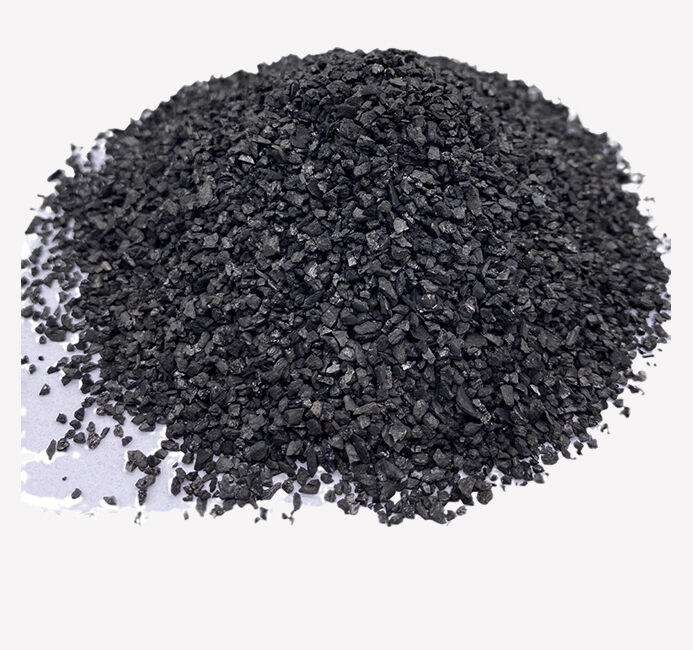
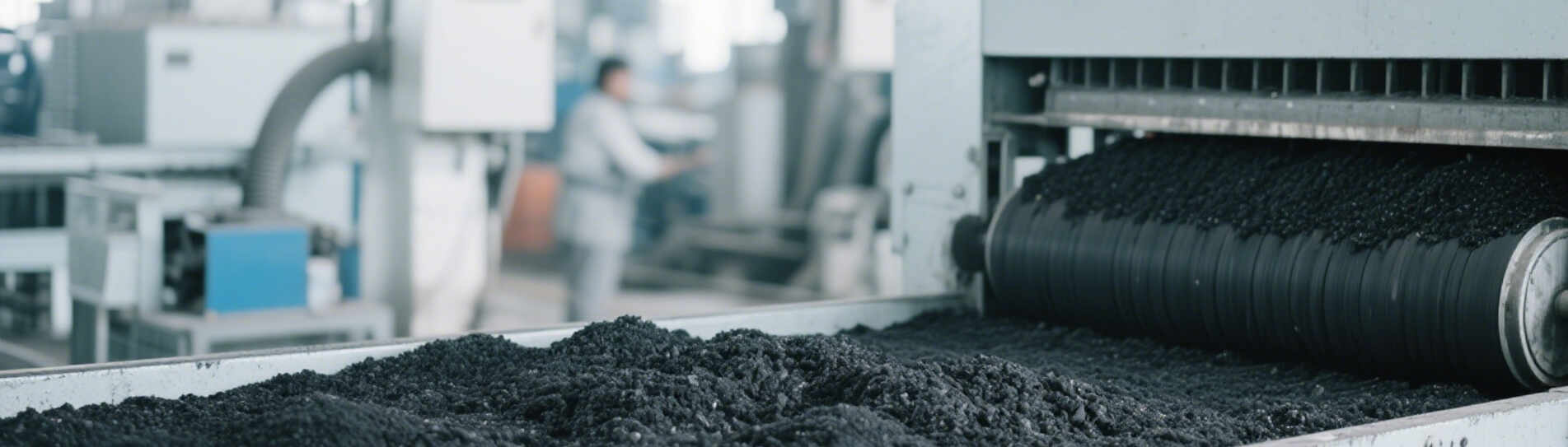
The pore size distribution of coconut shell activated carbon plays a decisive role in determining its adsorption performance and thereby its suitability for different industrial applications. In real-world processes, the structure of the carbon — particularly the ratio between micropores, mesopores, and macropores — directly affects how effectively it can adsorb various molecules.
Using steam-activated peat-based, lignite-based, and coconut shell powdered activated carbons as examples:
Chemically activated carbons are extremely porous, generally rich in both micropores and mesopores. However, compared with those produced via steam activation, chemically activated carbons usually possess less hydrophobic and more negatively charged pore surfaces.
Peat-based extruded activated carbon can be manufactured with various pore size distributions.
Crushed coal-based carbons contain a combination of micropores and mesopores, making them versatile for multiple industrial purposes.
Lignite-based or coconut shell-based granular activated carbons exhibit similar pore structures to their powdered counterparts, maintaining the same balance between microporous and mesoporous characteristics.
The performance of activated carbon can be evaluated through three main categories of indicators:
Key physical metrics include:
shape, appearance, specific surface area, pore volume, bulk density, mesh size, particle size distribution, abrasion resistance, and floating rate.
Major chemical indicators include:
pH value, ash content, moisture content, ignition point, un-carbonized materials, sulfides, chlorides, cyanides, sulfates, acid solubles, alcohol solubles, and trace elements such as iron, zinc, lead, arsenic, calcium, magnesium, heavy metals, and phosphates.
For coconut shell activated carbon, the principal adsorption performance parameters include:
Methylene Blue adsorption value, Iodine adsorption value, Phenol adsorption value, Carbon Tetrachloride adsorption, Caramel adsorption value, Quinine sulfate adsorption value, Total sulfur capacity, Breakthrough sulfur capacity, Water adsorption capacity, Ethyl chloride vapor protection time, and ABS value.
Coconut shell activated carbon is widely used in air purification, water treatment, and chemical processing industries due to its predominance of micropores, high adsorption capacity, and stable physical-chemical performance.
Understanding the relationship between its pore size distribution and adsorption behavior is key to selecting the most efficient grade for specific industrial applications.