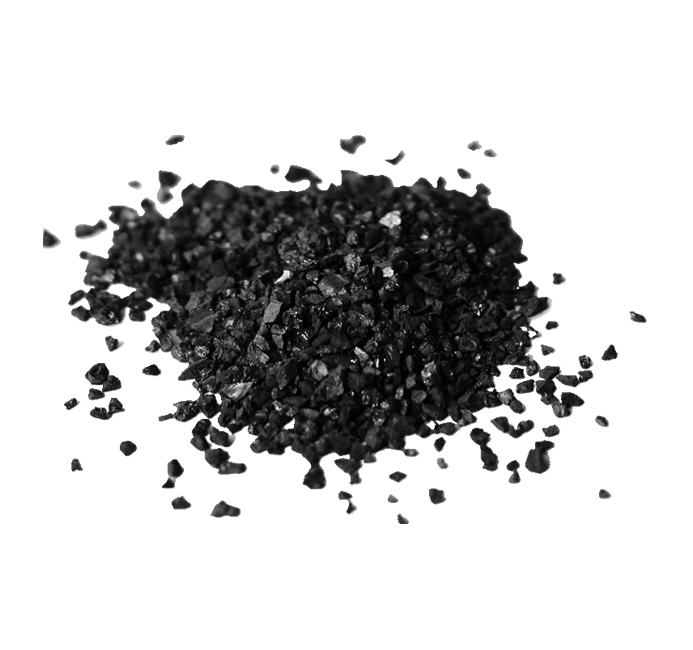
Catalytic carbon is a specialized type of activated carbon engineered to effectively remove chloramines and hydrogen sulfide (H2S) from drinking water. Offered by CarbonFresh, this innovative solution combines the high adsorption capacity of standard activated carbons with enhanced catalytic properties, enabling it to promote chemical reactions that traditional carbons cannot achieve.
Send E-mail Get PriceChloramines are a chlorine-based disinfectant commonly used as an alternative to chlorine in water treatment. They help minimize the formation of carcinogenic trihalomethanes (THMs), which can occur when chlorine interacts with organic materials in water. The catalytic carbon solutions provided by CarbonFresh are highly effective in reducing chloramines, ensuring cleaner and safer drinking water.
Unlike impregnated carbons, CarbonFresh's catalytic carbon is not treated with harsh caustic chemicals. This eliminates concerns about reduced organic odor removal capacity, exothermic reactions, higher fire risks, and toxic waste disposal. Instead, the catalytic carbon offered by CarbonFresh is created by modifying the surface structure of conventional activated carbon. Through a specialized high-temperature gas treatment process, its electronic structure is altered, maximizing catalytic activity specifically for breaking down chloramines and H2S.
The catalytic carbon solutions from CarbonFresh offer unparalleled functionality in water treatment, especially for applications with high levels of H2S (as much as 20 to 30 ppm). CarbonFresh catalytic carbon converts adsorbed hydrogen sulfide into water-soluble sulfuric acid and sulfurous acid. These byproducts can be easily washed away, allowing the carbon to be regenerated for extended use without frequent physical replacements. This makes CarbonFresh's catalytic carbon both cost-effective and practical for long-term treatment solutions.
Catalytic activity in CarbonFresh catalytic carbon enables faster and more effective chemical reactions compared to standard activated carbons.
Faster reactions reduce the amount of carbon and system size needed for effective treatment.
Non-impregnated design eliminates risks associated with ignition, exothermic reactions, and harmful chemical disposal.
On-site regeneration with water washing, supported by CarbonFresh solutions, lowers operational costs and extends service life.
CarbonFresh catalytic carbon can be thermally reactivated for recycling and reuse, reducing environmental impact.