Efficient Pre-Treatment of High-Strength Industrial Wastewater: Fenton Oxidation Coupled with Powdered Activated Carbon (PAC) for Enhanced Treatability
Industrial wastewater is complex, with high concentrations of organic pollutants, including toxic substances. The organics are mainly aromatic compounds and heterocyclic compounds, and the effluent also contains sulfides, nitrides, heavy metals, and other toxic organics. The effluent is often highly colored, malodorous, and in some cases emits sharp odors. It can be highly acidic or basic, causing significant adverse environmental impacts. Studies show that treating highly concentrated industrial wastewater cannot be directly applied to biological treatment. Therefore, a pre-treatment plan is essential before biological treatment to improve the wastewater’s treatability and recyclability.
The Fenton process is a leading advanced oxidation method that effectively degrades toxic substances. By reacting hydrogen peroxide with Fe2+, highly oxidative hydroxyl radicals are generated to mineralize organics, converting recalcitrant organics into more readily degradable compounds or CO2 and H2O. This process commonly employs powdered activated carbon (PAC) to treat wastewater that cannot be continuously treated by biological methods for COD removal. The technology is widely applicable for pre-treatment and deep treatment of electroplating, papermaking, dyeing, and other industrial wastewaters. However, due to variability in wastewater characteristics and other influencing factors, the dosage requires determination through laboratory experiments.
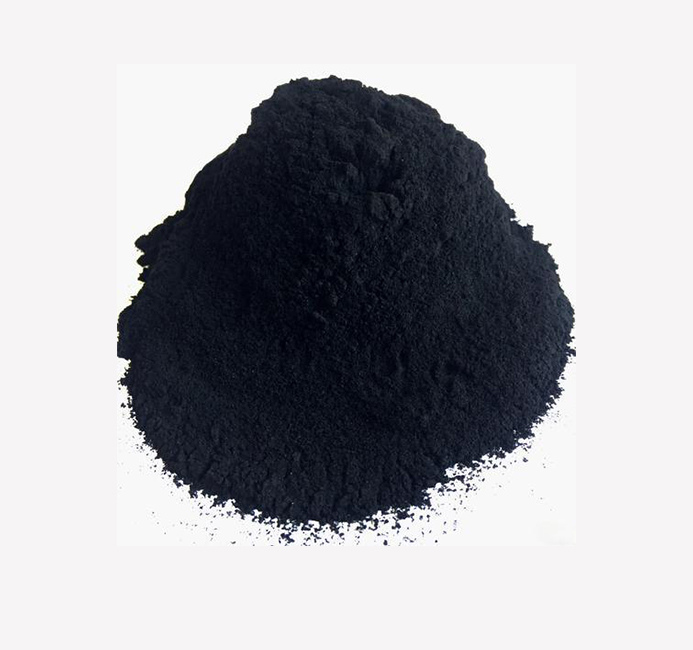
Powdered activated carbon (PAC) possesses a very large specific surface area and a highly developed pore structure, enabling effective removal of organics and heavy metals, as well as decolorization. In operation, PAC can serve as a standalone treatment for high-concentration wastewater, or be integrated with other processes to enhance purification. PAC has strong adsorption capacity for low-concentration wastewater and can efficiently remove hazardous ions. When wastewater strength is high, the cost of single-use PAC is substantial. Therefore, CarbonFresh recommends combining PAC with chemical precipitation for high-concentration wastewater treatment. First, polymeric organic matter in the wastewater should be flocculated and precipitated; then, PAC is used to adsorb residual ions with enhanced effectiveness. It is important to note that the order of addition of flocculants and PAC during coagulation can significantly affect performance. In high-strength wastewater treatment, PAC is primarily used as a coagulant, adsorbent, and separator to adsorb or assist in coagulating certain recalcitrant organics or organics that are harmful to microorganisms. Consequently, many enterprises reduce pollution with other treatment methods before applying PAC for polishing, in order to achieve wastewater reuse and discharge standards.