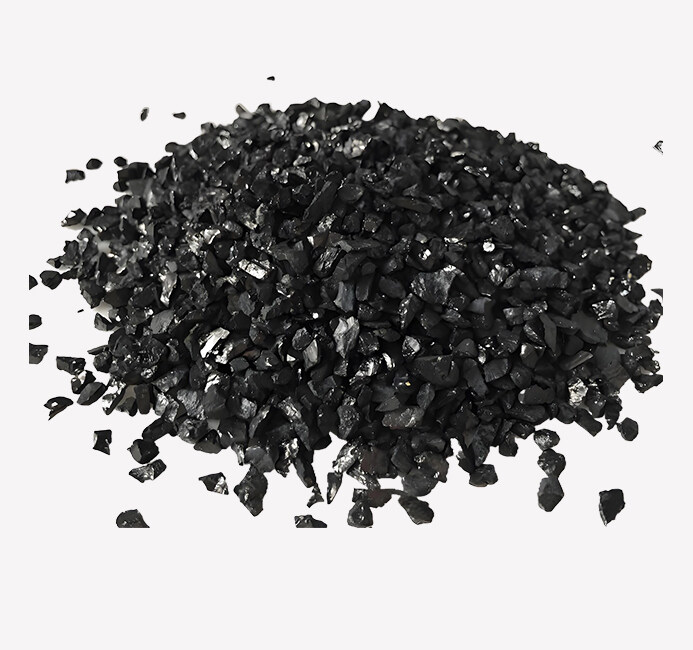
Coconut shell activated carbon is widely used in industrial air-pollution-control systems because of its high hardness, developed microporous structure, and strong adsorption capacity. Produced from selected coconut shells, this activated carbon is particularly effective for capturing odors and many volatile organic compounds (VOCs) from air streams.
For reliable waste gas treatment, the adsorption system must be selected according to emission frequency, airflow volume, pollutant concentration, and whether activated carbon regeneration is feasible. Henan CarbonFresh Activated Carbon Co., Ltd. outlines three commonly used system configurations below.
Coconut shell activated carbon has a dense pore network and a large internal surface area. These properties allow it to adsorb organic vapors, odor-causing compounds, and selected gaseous contaminants.
Key benefits include:
Actual performance depends on the contaminant type, inlet concentration, humidity, temperature, gas velocity, carbon grade, bed depth, and contact time. System design should therefore be based on site-specific operating data.
A semi-continuous adsorption system generally uses two activated carbon adsorbers installed in parallel. While one vessel is online and treating the waste gas, the second vessel can be regenerated, serviced, or kept on standby.
This configuration is suitable for facilities that require continuous or frequent exhaust treatment but cannot interrupt operations while the carbon bed is being replaced or regenerated. The vessels can switch duty based on carbon breakthrough, operating hours, or scheduled maintenance.
Typical applications:
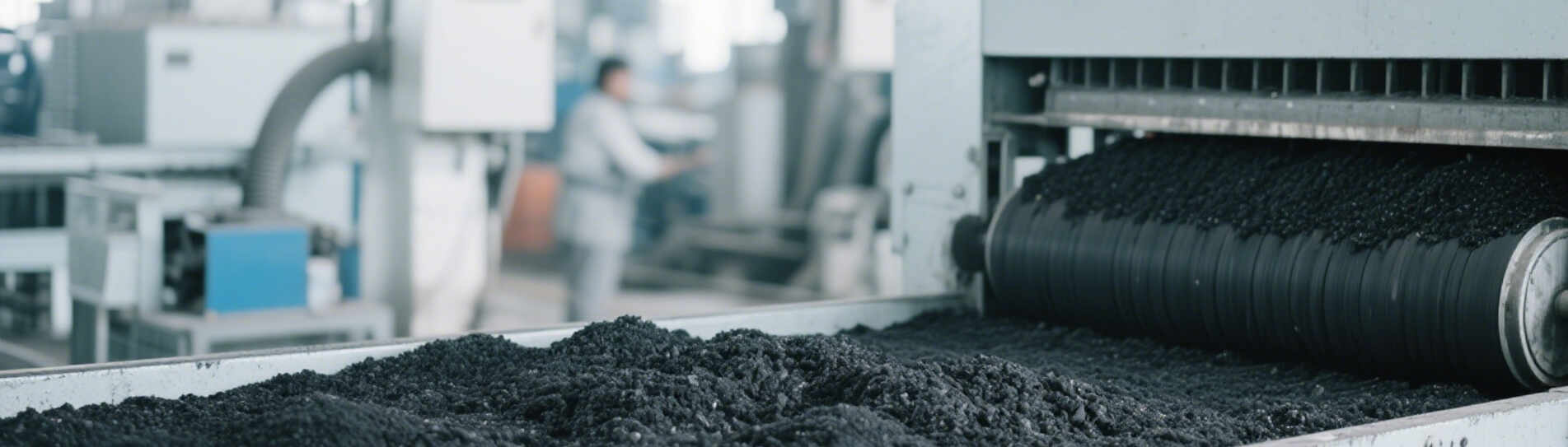
Continuous adsorption systems are designed for industrial processes with stable, high-volume, or around-the-clock waste gas emissions. Typical equipment may include moving-bed or fluidized-bed adsorption units.
In these systems, activated carbon is continuously or periodically removed from the adsorption zone and sent to a regeneration process. Fresh or regenerated coconut shell activated carbon is then returned to the system to maintain adsorption capacity.
Because this configuration requires more complex equipment, controls, and regeneration capability, it is generally considered for large-scale facilities with consistent operating conditions and sufficient carbon consumption to justify the investment.
Typical applications:
An intermittent adsorption system commonly uses one fixed-bed activated carbon adsorber. It is often selected for lower airflow volumes, batch processes, and exhaust streams that are released only at certain times.
Once the coconut shell activated carbon reaches its working capacity, it must be regenerated or replaced. If the interval between emission cycles is long enough, in-situ regeneration may be possible. Where emissions resume before regeneration can be completed, the carbon bed may need to be replaced or a spare adsorber should be available.
Typical applications:
The best waste gas treatment configuration depends on practical operating conditions. Before selecting a coconut shell activated carbon adsorber, evaluate:
Coconut shell activated carbon can be an effective adsorption medium for industrial waste gas treatment when the carbon grade and system design are properly matched to the application. It is also used in drinking water purification, industrial water treatment, wastewater polishing, and odor-removal applications.
For product selection or technical guidance, contact Henan CarbonFresh Activated Carbon Co., Ltd. to discuss your waste gas conditions and activated carbon requirements
.