The pore structure of activated carbon is a key factor determining its adsorption capacity and overall performance. Surface chemistry, pore-size distribution, and pore composition can all influence the migration and diffusion rate of organic contaminants within the carbon pore network. As a result, activated carbon generally exhibits selective adsorption behavior toward different substances.
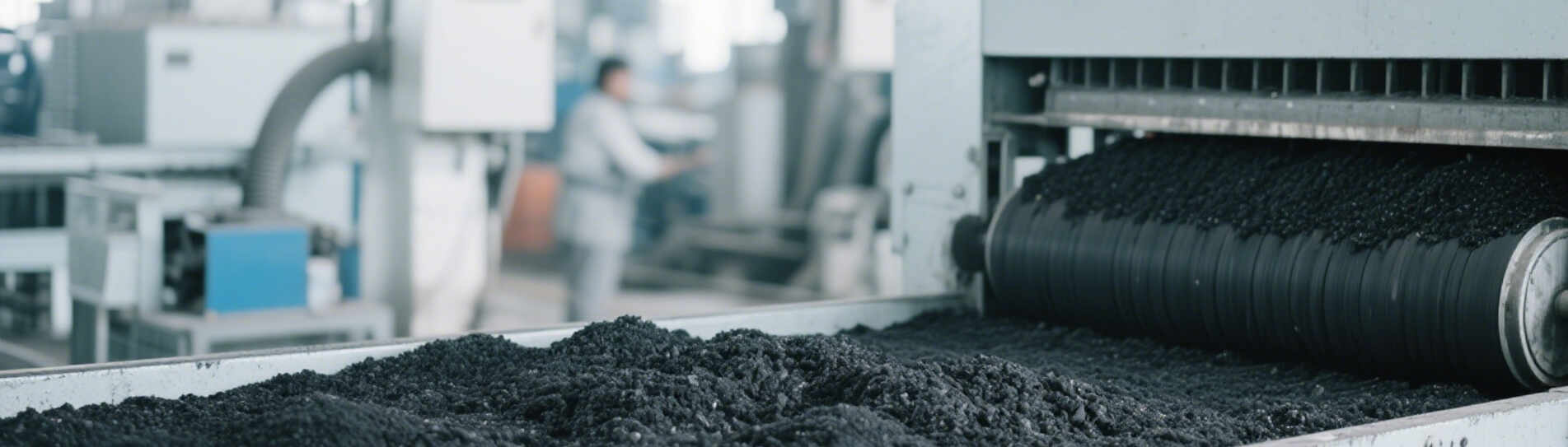
During carbonization and activation, activated carbon develops an extensive porous structure. This creates a large specific surface area and provides high adsorption capacity.
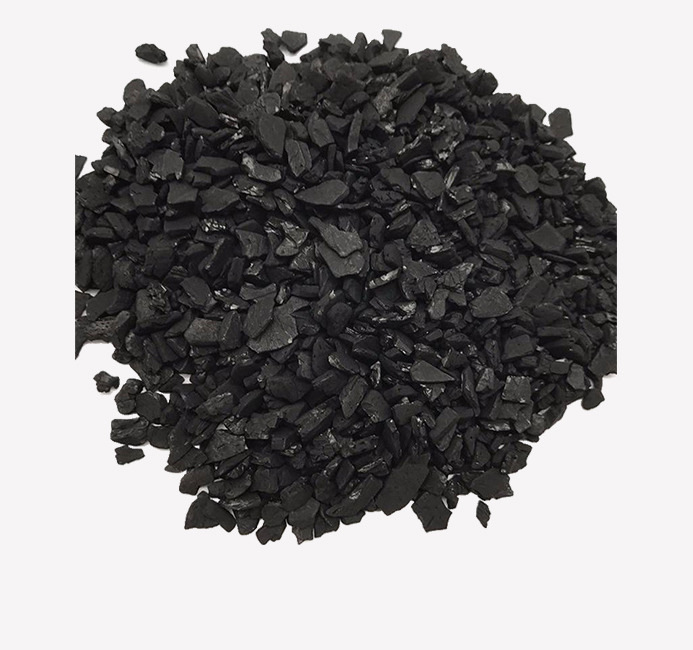
Coconut shell activated carbon typically contains pores predominantly below 1 nm and is mainly microporous. It is particularly suitable for the adsorption of small gas molecules, odors, and certain volatile organic compounds (VOCs).
Coal-based activated carbon, especially products manufactured from low-rank coal materials such as lignite and peat, tends to form a higher proportion of mesopores. This structure can offer advantages in the adsorption and mass transfer of certain larger organic molecules.
In practical applications, activated carbon should be selected according to contaminant molecular size, concentration, treatment medium, operating conditions, and required removal performance. Choosing an activated carbon with an appropriate pore-size distribution is essential for achieving efficient and cost-effective treatment results.
The adsorption of organic compounds by activated carbon is primarily a form of physical adsorption. It relies on the extensive internal surface area of the pore structure and intermolecular forces between the carbon surface and adsorbate molecules.
As temperature increases, the thermal motion of adsorbed molecules becomes stronger, making desorption more likely. Consequently, adsorption capacity generally decreases at higher operating temperatures.
Therefore, in applications such as air purification, industrial waste-gas treatment, and wastewater treatment, maintaining an appropriate operating temperature can help preserve adsorption efficiency and extend activated carbon service life.
CarbonFresh supplies high-quality activated carbon products for air purification, industrial exhaust-gas treatment, wastewater treatment, and other environmental applications.
Based on your specific application requirements, our technical team can assist in selecting the appropriate activated carbon type, grade, particle size, and specification. Samples are available for laboratory testing, performance comparison, and application validation.
For product specifications, technical recommendations, or sample inquiries, please contact us:
Email: info@carbonfreshcn.com