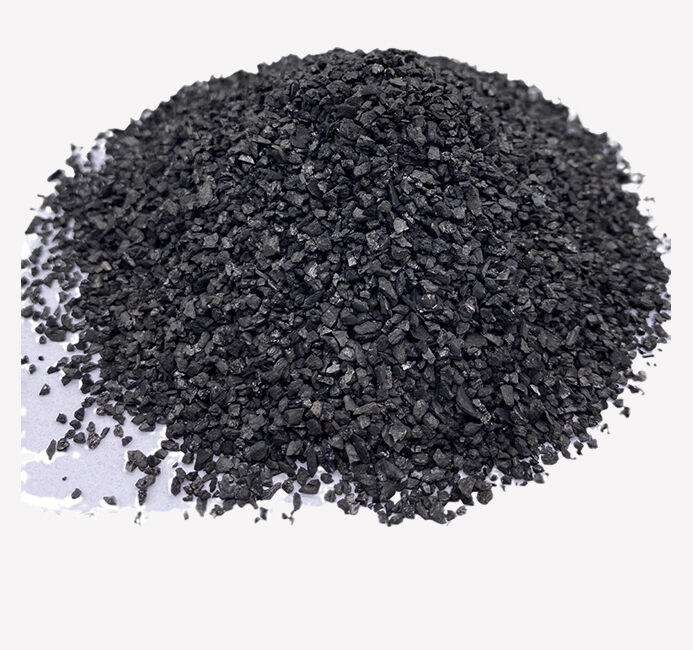
Activated carbon is a highly porous material renowned for its exceptional adsorption capacity and versatile purification properties.
It is widely used in air purification, water treatment, medical, and industrial applications.
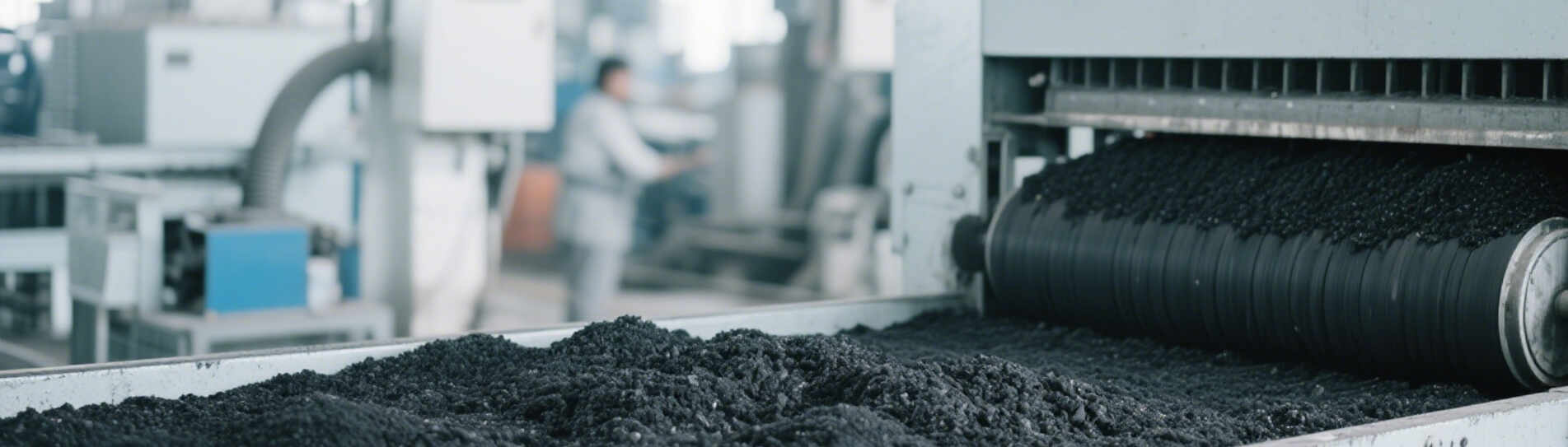
Typically derived from coal, wood, coconut shells, or petroleum residues, raw materials are first carbonized and then activated at temperatures between 800°C and 1500°C.
This process creates a dense network of micro- and mesopores, which gives activated carbon its powerful adsorption performance.
However, with so many products available on the market, their quality can vary significantly. To help you choose the right one, here are four simple yet effective ways to identify premium-quality activated carbon.
1. Check the Packaging – Vacuum Sealing Means Freshness
For air purification activated carbon, packaging plays a crucial role in preserving adsorptive performance.
If the product is not vacuum-sealed, the active pores can gradually absorb impurities from the air even before it reaches the customer — drastically lowering its effectiveness.
Tip:
High-quality activated carbon is usually packed in vacuum-sealed aluminum foil bags, which protect it from moisture and maintain its adsorption capacity until use.
2. The Bubble Test – Fine, Continuous Bubbles Indicate Quality
Take a small amount of activated carbon and place it in clean water. Observe the bubbles and the clarity of the water.
High-quality activated carbon: produces fine, dense, and continuous bubbles, often forming thin bubble lines accompanied by a faint “hissing” sound. The water remains clear.
Low-quality activated carbon: gives off few or irregular bubbles, and the water quickly becomes cloudy or develops floating particles.
This simple test helps you judge whether the carbon has well-developed pores and whether the activation process was effective.
3. Smell Test – No Unpleasant Odor, No Hidden Pollution
The smell of activated carbon can reveal a lot about its purity and source.
Premium carbon (such as coconut shell or imported activated carbon): has no noticeable odor when immersed in water.
Coal-based or recycled carbon: often emits an unpleasant coal ash, musty, or sludge-like smell, showing that it may come from industrial recycling.
Such carbon not only has poor adsorption performance but may release secondary pollutants into the environment.
If there’s any unusual or foul smell, do not use the product for indoor purification.
4. Touch Test – Good Carbon Doesn’t Stain Your Hands
Take a handful of activated carbon and gently rub it between your fingers.
Good-quality activated carbon: has hard, dense granules that don’t easily break or leave dust on your hands.
Inferior or recycled carbon: is brittle, creates fine black powder, and stains your fingers.
Durability is a key indicator of quality — stronger carbon lasts longer and maintains consistent performance.
5. pH Test – Neutral Carbon Is Safe for Indoor Use
You can check the safety of activated carbon using simple pH test paper:
High-quality activated carbon: has a pH value of 7–8, meaning it’s neutral to slightly alkaline, similar to the human body and safe for home use.
Low-quality or recycled carbon: may show a strongly acidic (pH <6) or alkaline (pH >9) reaction due to industrial residues, which can pose potential health risks.
When choosing activated carbon, remember these five golden signs of quality:
✅ Vacuum-sealed packaging
✅ Fine and continuous bubbles in the water test
✅ Odorless and clean smell
✅ Hard particles that don’t produce dust
✅ Neutral or slightly alkaline pH
By checking these simple aspects, consumers can easily identify genuine, high-performance activated carbon that truly purifies the air and protects their health.